
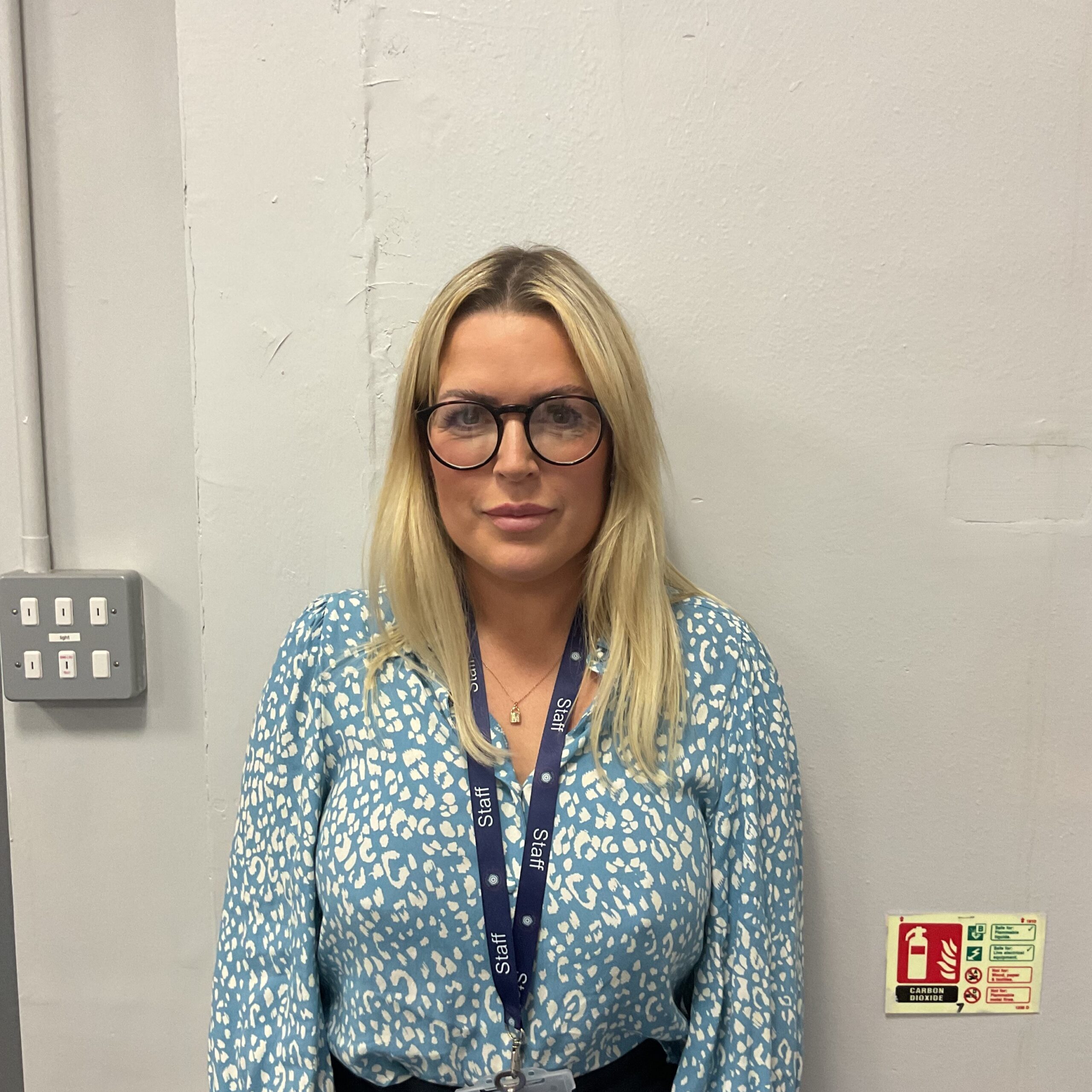
Danielle Nugent
Designated Safeguarding Lead (DSL)

Kalsooma Siddique
Deputy Designated Safeguarding Lead (DDSL)

Simon Raynor
Safeguarding Governor
Everyone who works with children and young people has a duty to safeguard them and to take action to ensure they receive the right support at the right time.
According to safeguarding legislation and government guidance, safeguarding means:
- Protecting children from maltreatment.
- Preventing any impairment to their health or development.
- Ensuring they grow up in safe, nurturing environments that provide effective care.
- Taking action to help all children and young people achieve the best possible outcomes.
(Working Together to Safeguard Children, HM Government, 2023)
Bedale High School takes its safeguarding responsibilities extremely seriously, and our staff are committed to doing everything possible to protect students and children from harm. We recognise that safeguarding is a shared responsibility, and all staff are trained to remain alert to the signs and indicators of abuse.
We place great importance on listening to our students. Their views, feelings, and wishes are central to our approach, and we work to understand and support their needs. We aim to build trusting, consistent, and professional relationships with students.
We are strong advocates of early help and aim to identify concerns at the earliest stage so that we can act preventatively. We support and advise families and parents/carers while always prioritising the best interests of the student. Safeguarding also includes maintaining safe working practices and ensuring a secure environment for all students and staff.
Bedale High School safeguards students by:
- Maintaining a secure site and recording/monitoring all visitors.
- Following safer recruitment procedures to prevent unsuitable individuals from working with children.
- Teaching students the importance of e-safety both at school and at home.
- Filtering and monitoring internet use to prevent access to harmful materials or communication.
- Ensuring all staff have up-to-date Disclosure and Barring Service (DBS) checks, recorded in the Single Central Record.
- Providing regular child protection training and ensuring all staff and visitors know who the designated safeguarding lead and deputy officers are.
- Operating robust admissions and attendance systems to keep students safe and reduce the risk of children going missing from education.
- Empowering young people to recognise risks in school and in the wider community, and to develop the confidence and skills to keep themselves and others safe.
- Helping students understand the importance of raising concerns about themselves or their peers, and giving them confidence to discuss sensitive issues.
- Providing inclusion support so all students can access guidance, advice, and referrals to external agencies when needed.
- Sharing information with partner agencies to ensure students and families receive the support they need and to prevent harm.
- Taking swift action and contacting the appropriate agencies whenever we believe a student is in danger or at risk of harm.
Sexual Abuse in Educational Settings 2021
At Bedale High School, we take Harmful and Abusive Behaviours extremely seriously. In light of national concerns about sexual abuse in educational settings, we want to direct our community to a helpline commissioned by the Department for Education and operated by the NSPCC.
This helpline offers advice and support to both children and adults who have experienced sexual abuse in schools. It is also available to support parents, carers, and professionals. Anyone who contacts the helpline will be guided towards any additional, relevant support services that may help.
The dedicated and confidential NSPCC helpline — Report Abuse in Education — can be reached by calling 0800 136 663 or by emailing help@nspcc.org.uk.
Keeping Your Child Safe at Clubs and Sporting Events
Alongside the extra-curricular clubs and activities offered in school, your child may also take part in clubs or sports sessions outside of school. To support families, North Yorkshire Sport has produced a guide for parents and carers that includes a helpful safe-activity checklist. We encourage you to read this guidance to help ensure your child remains safe in all settings.
You can access the guide here:
https://northyorkshiresport.co.uk/who-we-are/safeguarding-and-welfare/
Useful Documents & Links
Keeping Children Safe In Education
Child Protection Policy
Mental Health Policy
Link to the Prevent Page
Domestic Violence Support
Where you can get support
Online Safety
Online Safety-Bullying
Online Safety-Sexual Harassment
Childline –provided by NSPCC
Website: www.childline.org.uk
Telephone: 0800 1111
Ask Sam – through a message board facility
Text ‘Shout’ for support on 85258.
Contact Childline with SignVideo for children with hearing disabilities. Sign Video lets you contact through a BSL interpreter anytime from Mon-Friday, 9am -8pm. Saturdays, 9am-1pm
To access a counsellor, they are there to listen and support you with anything you’d like to talk about. Or you can have a 1-2- counselling chat online. You can discuss anything you like from a disclosure of pregnancy, being a victim of bullying, feeling low and struggling with sleep patterns; to mental health issues, or general low mood.
Kooth

Website: www.kooth.com
Visit kooth.com and sign up for the text based conversation with a qualified counsellor. Counsellors are available from 12 noon to 10pm on a weekday and 6pm to 10pm at weekends.
To access a counsellor, they are there to listen and support you with anything you’d like to talk about. Or you can have a 1-2- counselling chat online. You can discuss anything you like from a disclosure of pregnancy, being a victim of bullying, feeling low and struggling with sleep patterns; to mental health issues, or general low mood.
Samaritans
Website: www.kooth.com
Visit kooth.com and sign up for the text based conversation with a qualified counsellor. Counsellors are available from 12 noon to 10pm on a weekday and 6pm to 10pm at weekends.
To access a counsellor, they are there to listen and support you with anything you’d like to talk about. Or you can have a 1-2- counselling chat online. You can discuss anything you like from a disclosure of pregnancy, being a victim of bullying, feeling low and struggling with sleep patterns; to mental health issues, or general low mood.
Young Minds

Web: www.nhs.uk
Go to: 111.nhs.uk
Call 111
Accident and emergency at Leeds General Infirmary
The NHS website offers a range of supportive material and resources from medical professionals. This includes audio narrations, for example, on managing stress, sleep patterns, coping strategies for managing anxiety. Advice can also be sought in terms of any medical issues which arise.
If a young person is at crisis point please take straight to Accident and Emergency at Leeds General Infirmary.
Cruse
Website: www.cruse.org.uk
Telephone: 08088081677
This is a service which offers support, advice and information to children, young people and adults when someone dies. They provide tips to help yourself, or as a parent; how you can support your child. There are video links which explain the grieving process so children/ adults understand each stage of grief.
Child Bereavement UK
Website: www.childbereavementuk.org
Helpline: 0800 02 888 40
Email: support@childbereavementuk.org
Live chat is available via the website
Child Bereavement UK work to provide support to families of children who have lost a loved one.
Domestic Violence
Website: www.nationaldahelpline.org.uk
24- hour National Domestic Abuse Helpline: 08082000247
The National Domestic and Abuse Helpline is for women and children who are exposed to domestic violence. This allows you the option to seek help, support and advice. In an emergency, please call 999.
Duty and Advice
Website: www.leedsscp.org.uk
Telephone: 0113 3760336
For help and advice regarding the safeguarding of children.
Police

Website: https://www.northyorkshire.police.uk/
In a non-emergency:101
In an emergency:999
Use the police to seek for advice regarding an issue which is concerning about the young people.
Place2Be

Website: www.place2be.org.uk
Email: enquiries@place2be.org.uk
Text ‘Shout’ for support on 85258.
Well-being activities and ideas for families to complete. Counselling services. Place2Be works in partnership with Shout a 24/7 text messaging service to support anyone in crisis, anytime, anywhere.
Stop Abuse Together

Website: stopabusetogether.campaign.gov.uk
Email: help@nspcc.org.uk
Phone: 0808 800 5000
Child sexual abuse is a reality for thousands of children across our country, with at least one in ten estimated to experience sexual abuse before they turn 16. We can all play a part in protecting children and getting them the right help. That’s why it’s important to know how to spot the potential signs of child sexual abuse and where to go for support. This website brings together advice and resources to help keep children safe.
Hambleton Food Share

Website: https://hambletonfoodshare.org.uk/
North Yorkshire Council

Cost of Living Support

Online Safety
NSPCC

Website: www.nspcc.org.uk
If you’re worried about a child, even if you’re unsure, contact our professional counsellors for help, advice and support.
Telephone: 08088005000
Email: help@nspcc.org.uk
Under 18 contact number: 08001111
This provides a useful resources for parents /carers on social networks, apps. This site also supports with online safety
Thinkuknow

Website: www.THINKUKNOW.co.uk
This is an educational programme from NCA-CEOP, a UK organisation which protects children both online and offline for different age groups and supports parents.
Childnet

Website: www.childnet.com
Childnet has produced a Parent and Carer Toolkit which is a collection of three resources designed to help you talk to your child about their online life, manage boundaries around family internet use and point you in the direction of where to get further help and support.
The UK Safer Internet Centre

Website:
www.saferinternet.org.uk
Parents and carers can find online safety tips, advice and resources to help children and young people stay safe online.
Shout

Text 85258
Website https://www.giveusashout.org/
Text service for anyone in crisis. They can speak to someone through a text message and get fast responses. This is a great service to use instead of having to speak top someone over the phone.